Habit stacking
One flight before lunch on Tuesdays, none on frantic Thursdays—patterns can be lumpy. Document what you actually did; the log matters more than the plan.
Move chapter
This page collects patterns we discuss with readers who want outdoor time to feel approachable again. We talk about surfaces, light, load, and the stories people tell themselves about “enough.” Everything remains descriptive: your medical history, footwear, and local weather belong in a real-world conversation with someone who knows you.
If you are managing pain, dizziness, or balance changes, speak with a clinician before changing how you load your body. Our text stays in the educational lane.

Before you experiment
Which surfaces appear most often in your week? How much uninterrupted sitting shows up before you notice stiffness? When you carry bags, does one side always lead? These observations help you choose experiments without implying any clinical outcome.
Outdoor stride
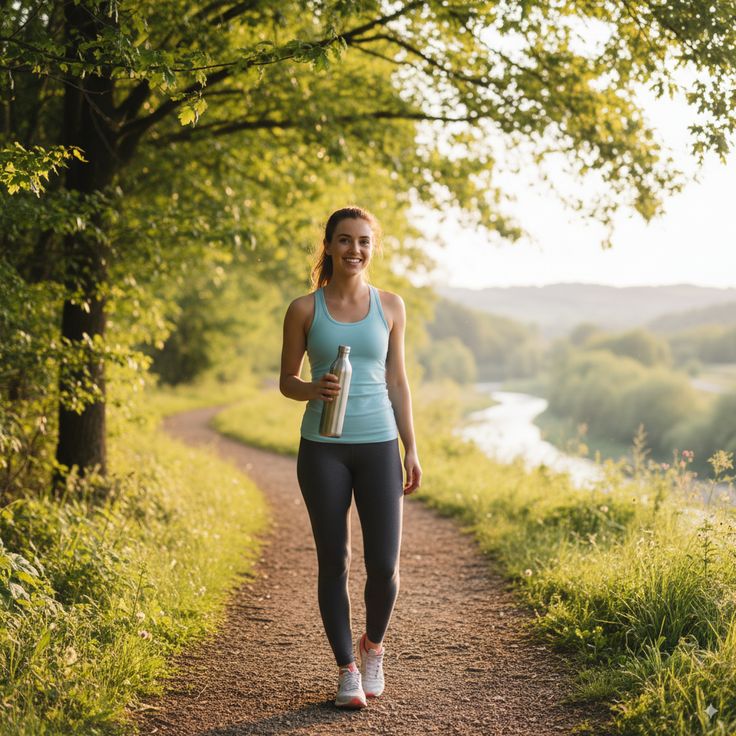
Some people enjoy counting steps; others prefer landmarks or playlists. Either route can work when the goal stays exploratory—notice how surfaces sound, how shoulders respond to a slightly longer arm swing, or how breathing shifts on a gentle incline. We avoid turning curiosity into another metric you must optimise.
If your week is mostly flat pavement, a short grass segment or gravel shoulder can wake up ankle strategy. Introduce new textures gradually and wear footwear you trust for that terrain. Wet leaves and ice require different caution than dry paths.
Pairing a walk with a consistent cue—after the first coffee, before school pickup, between two meetings—builds repetition without demanding perfection. Missed days are data about your week, not moral failure.
Loop routes reduce decision fatigue. Out-and-back walks let you bail halfway if time shrinks. Both are valid; choose the psychology that fits your month.
Vertical city
Stairs load the hips and calves differently than flats. Some days they feel great; other days escalators are the wise choice. We discuss handrail use, tempo, and how to notice when breathlessness departs from your usual pattern—without interpreting those signals on a public webpage.
One flight before lunch on Tuesdays, none on frantic Thursdays—patterns can be lumpy. Document what you actually did; the log matters more than the plan.
Dress shoes and icy steps do not negotiate. Swap shoes or choose another day. Pride is cheaper than an accident.
Descending with a heavy pack changes knee demand. Adjust straps or use a lift when available.
If how quickly your breathing settles between flights changes suddenly, note it for your clinician—not for us.
Landings are fine places to pause. Public infrastructure is for humans, not only athletes.
Indoor complements
Inside, variety often means changing the height you store items, alternating which hip leads through narrow halls, or standing for the first ten minutes of a call. These are habits of distribution, not intensity spikes.
Pair this section with Rhythm when you want a week-level template. Nothing here promises a particular physical outcome.
Walking with a friend changes pace and conversation; both matter. If your group always pushes speed, you can propose a slower loop occasionally. If you walk alone, voice notes or photography can make the habit feel less abstract.
Seasonal shifts in daylight affect mood and safety. Reflective gear and visible crossings are practical details, not aesthetic extras.
Practice stack
Log surfaces and sitting blocks without changing behaviour yet. Awareness first.
Add a short walk, a stair flight, or a bag-side swap on low-stress days only.
Introduce grass, gravel, or a modest hill if environment allows.
Decide what felt sustainable. Drop what felt forced; keep what felt honest.
Movement curiosity survives when the plan flexes with weather, deadlines, and mood. Rigid scripts rarely outlast a full month of real life.
Use the contact form for syllabus excerpts, consulting structure, or partnership questions. For emergencies, use local services—not our inbox.
Open the contact form