01
Pacing beats intensity
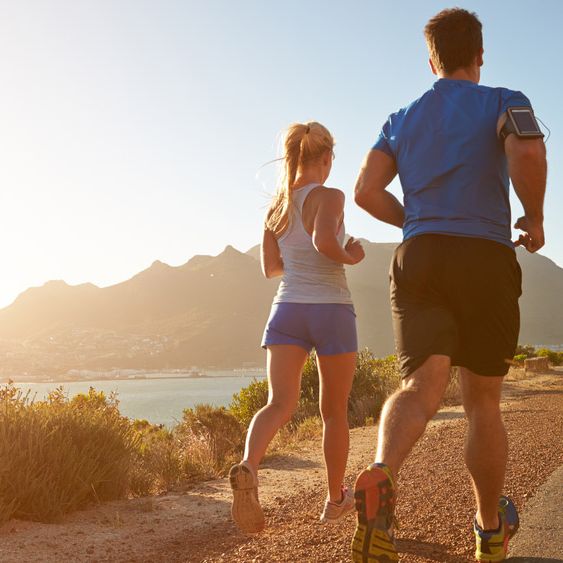
Readers often arrive after cycles of “all or nothing.” We spend time on gentle frequency—how Tuesday and Thursday might differ, how a short walk still counts when Wednesday implodes.
Everyday motion, explained plainly
We assemble articles, office-friendly experiments, and cohort-style programmes around one idea: most adults do not need louder motivation—they need clearer options. Everything here is informational. We describe patterns that many people find useful; we do not diagnose, treat, or compare you to an idealised standard.
If you are navigating pain, dizziness, pregnancy, or new symptoms, pause self-experimentation and speak with someone who can examine you. Our pages are a library, not a substitute for that conversation.
At a glance
These numbers are conversational shorthand, not research claims. They summarise the themes we hear in email and workshops.
01
Readers often arrive after cycles of “all or nothing.” We spend time on gentle frequency—how Tuesday and Thursday might differ, how a short walk still counts when Wednesday implodes.
24h
Sleep, commute, caregiving, and desk blocks all influence how movement feels. We encourage noticing the full arc instead of isolating a single gym session.
UK
Correspondence and sessions can be remote-first; materials stay timezone-aware where it helps.
∞
Challenges track curiosity—terrain, mood, variety—not leaderboard scores.
✎
Templates are starting points; you rewrite them when life shifts.
Articles, outlines, and educational products describe general approaches to moving through ordinary tasks. We do not provide medical diagnosis, treatment, or individual clinical guidance.
For concerns about symptoms, medications, or capacity, consult a qualified professional who can review your history. Read our Terms of Use for scope and limitations.
We avoid fear-based framing, miracle language, and comparisons that shame a reader’s current body. When we cite patterns from ergonomics or coaching literature, we summarise them in plain English and link curiosity to licensed experts where depth is needed.
How we work with you
Each path below stays inside non-medical education. You choose depth; we provide structure and reflection prompts.
Conversations map how you already move, where friction appears, and what a realistic experiment might look like over seven to fourteen days. We take notes you can keep; we do not grade your effort.
Non-medical sequences might combine walking loops, desk resets, and carrying swaps. You adjust cadence when travel, illness, or deadlines interrupt—the plan is designed to survive interruption.
Primers on footwear trade-offs, indoor air and movement, or seasonal light exposure are written as general knowledge, with citations where helpful and clear boundaries where not.
Cohorts receive pacing guides, optional group calls, and reflective prompts. Participation remains voluntary; you can step back without penalty beyond published cutoffs in the Refund Policy.
Movement literacy grows when curiosity leads and rigidity steps back. We favour small, repeatable actions you can notice, name, and tweak—without turning the day into a performance review.
Indoor reality
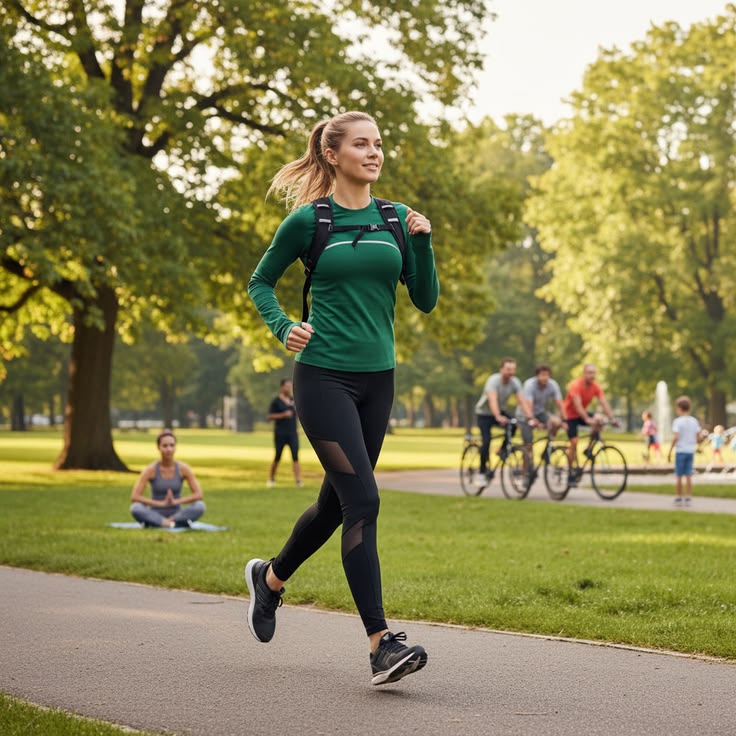
Most adults blend deep focus with meetings and notifications. Our materials suggest gentle contrasts—standing for one call, walking for another, alternating which shoulder carries a bag—so tissues experience varied loads without demanding a gym block every day.
If a pattern feels sharp, unfamiliar, or limiting, pause and seek individual guidance. General pages cannot see your full history.
See rhythm templatesA readable arc
Your order may differ; this timeline only illustrates a common journey.
Skim Move for outdoor and indoor ideas, then save tabs that match your season of life.
On Rhythm, copy a block pattern and rename it with your own vocabulary.
Stacking ten experiments obscures signal. We encourage single-variable curiosity.
Use Contact for syllabus questions, partnerships, or clarification—not emergencies.
Consulting and products extend the library when you want structured follow-through.
Pick a doorway
Hover or focus cards on capable devices to see subtle depth; motion respects your system settings.
Outdoor strides, stair choices, carrying patterns, and honest terrain notes in plain language.
Open MoveWeekly scaffolding for programmes and gentle challenges without competitive pressure.
Open RhythmPartnership questions, syllabus requests, or clarification on our materials.
Go to form